
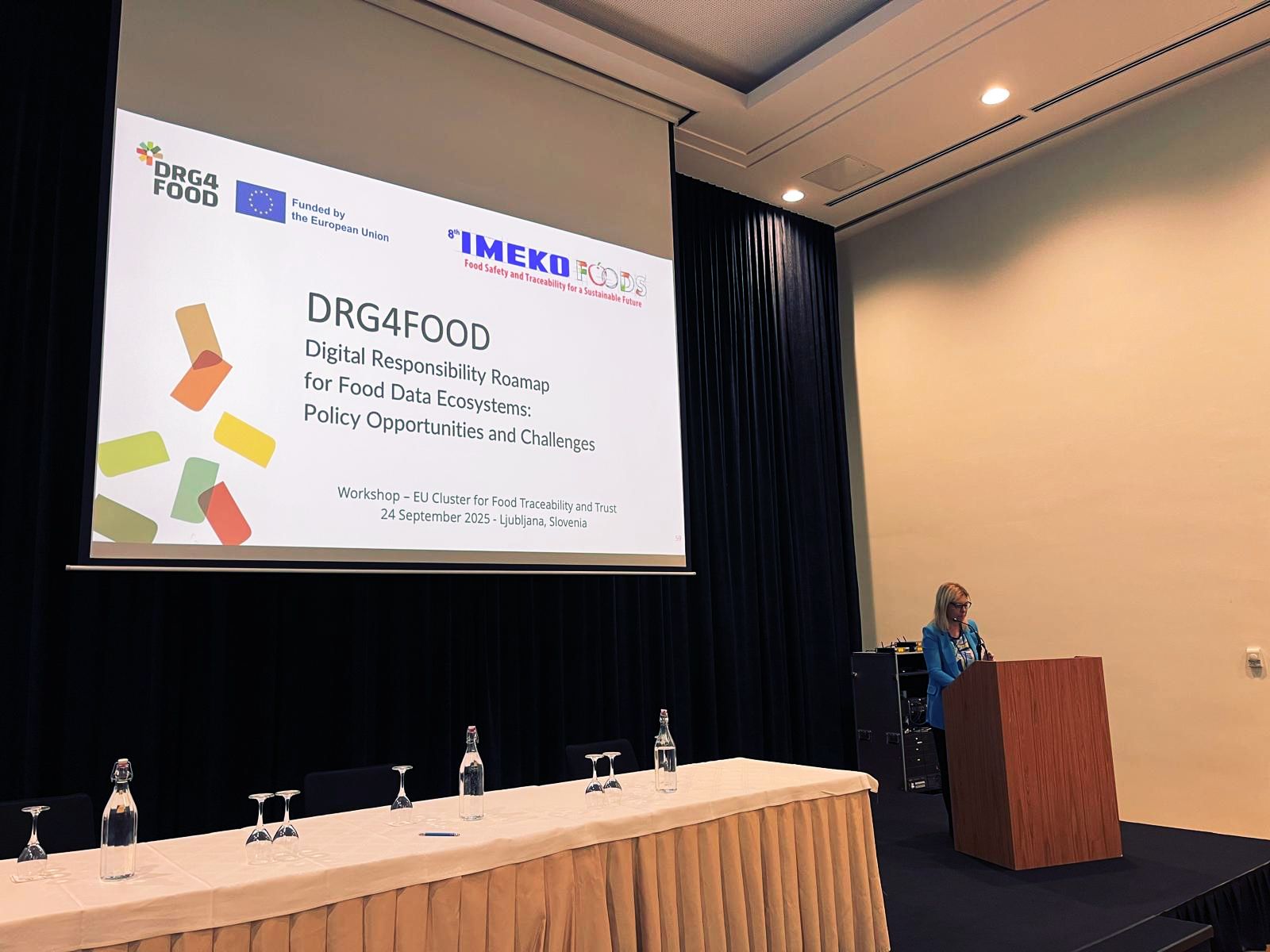
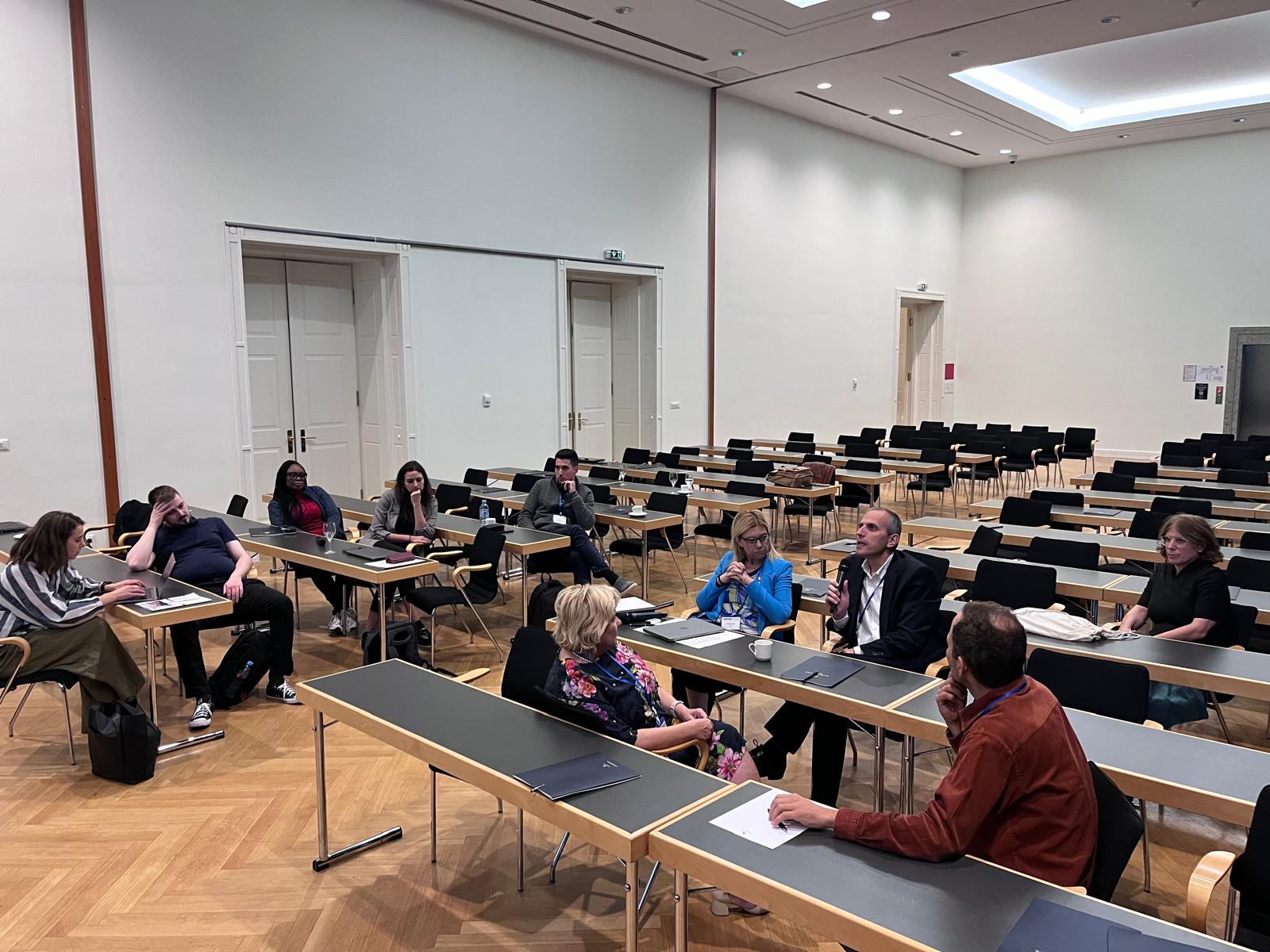
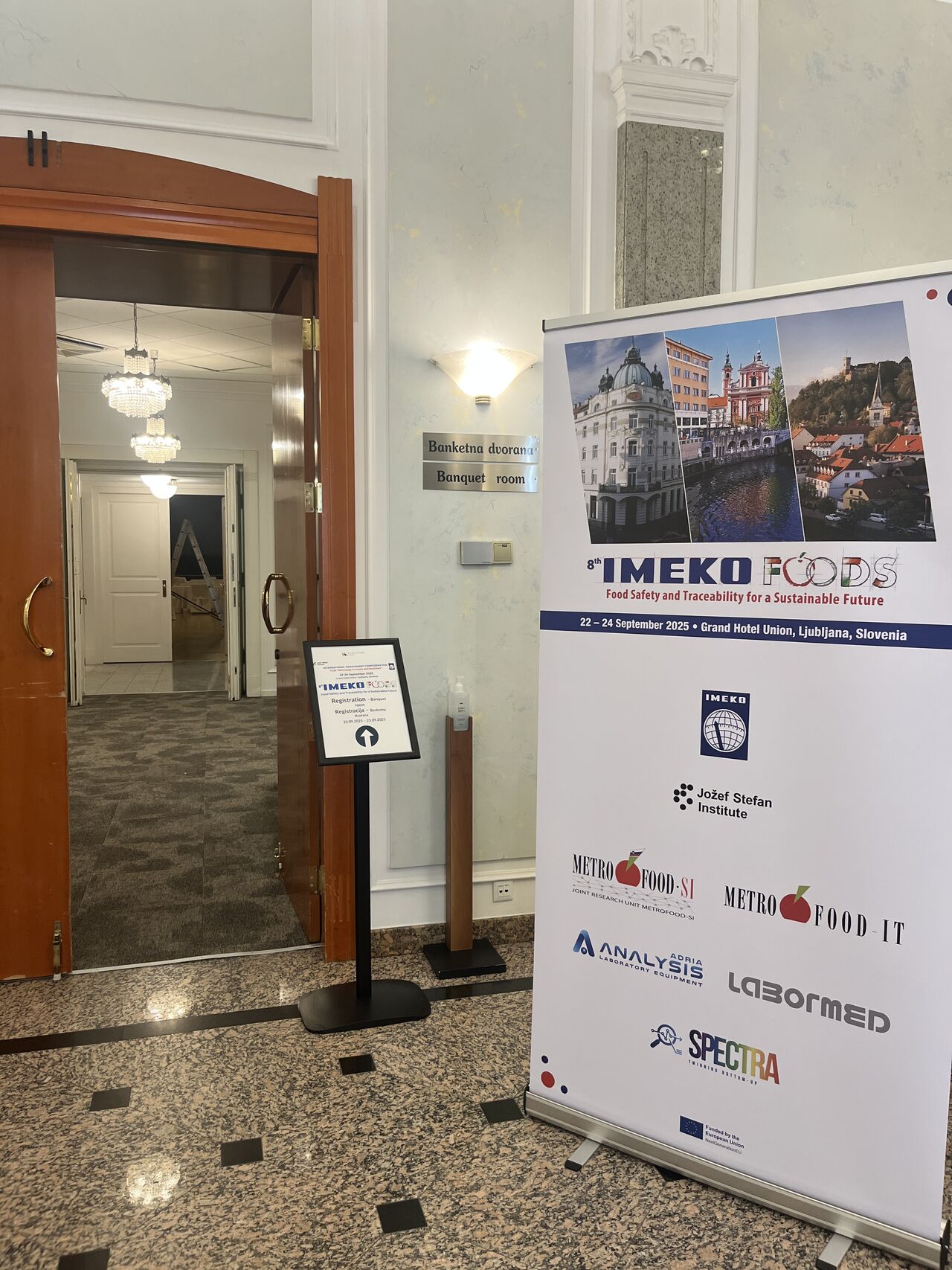
On September 24th, 2025, the EU Cluster for Food Traceability and Trust (bringing together Watson, ALLIANCE, DRG4Food and FishEUTrust) hosted a lively round-table session at the 8th IMEKOFOODS Conference in Ljubljana (Slovenia).
During the session, researchers and experts from across the cluster and beyond explored how emerging technologies, consumer trust and EU policy frameworks can work together to shape the future of food traceability.
Emerging tech: blockchain and AI in the food system
Technologies such as blockchain and artificial intelligence (AI) were identified as powerful tools for improving traceability and data sharing across the value chain.
However, participants agreed that technology alone does not build trust. Its value must be understood in context and assessed by the real benefits it provides to stakeholders.
Several key challenges were discussed:
Lack of standardisation remains a major barrier. Each project or organisation often develops its own systems, which limits interoperability.
Blockchain is not a one-size-fits-all solution. The choice of chain and architecture must be justified by the added value it brings compared to more traditional databases.
Cost and complexity can prevent smaller actors from adopting advanced digital tools.
AI and synthetic datasets can support data-driven decision-making but raise questions about responsible data use and quality assurance.
The debate made it clear that while technological innovation is advancing rapidly, its impact depends on alignment with real-world needs, shared standards and trust among users.
Building consumer trust
Discussions also focused on the human dimension of traceability. As participants noted, “if technology is the engine, consumer trust is the fuel”.
More data does not necessarily mean more trust; what matters is relevance and clarity. Consumers care about food that is safe, sustainable and high quality, not necessarily about the technology behind it.
Effective communication must therefore be audience-specific and jargon-free, while acknowledging that not all consumers have the same level of data literacy.
The session also highlighted the evolving role of scientists, who increasingly act as translators between technology and society, bridging gaps across disciplines such as food science, ICT and social sciences.
Governance and policy alignment
On the policy side, participants agreed that standardisation and knowledge sharing are critical for progress.
Platforms like the ALLIANCE project’s marketplace, which promotes the exchange of datasets, tools and best practices, were showcased as examples of how collaboration can prevent duplication and speed up innovation.
Policy recommendations included:
Strengthening requirements for data and tool sharing among EU projects.
Encouraging joint cluster outputs such as policy briefs and recommendations.
Supporting the development of communication tools and training materials to promote responsible and scalable traceability solutions.

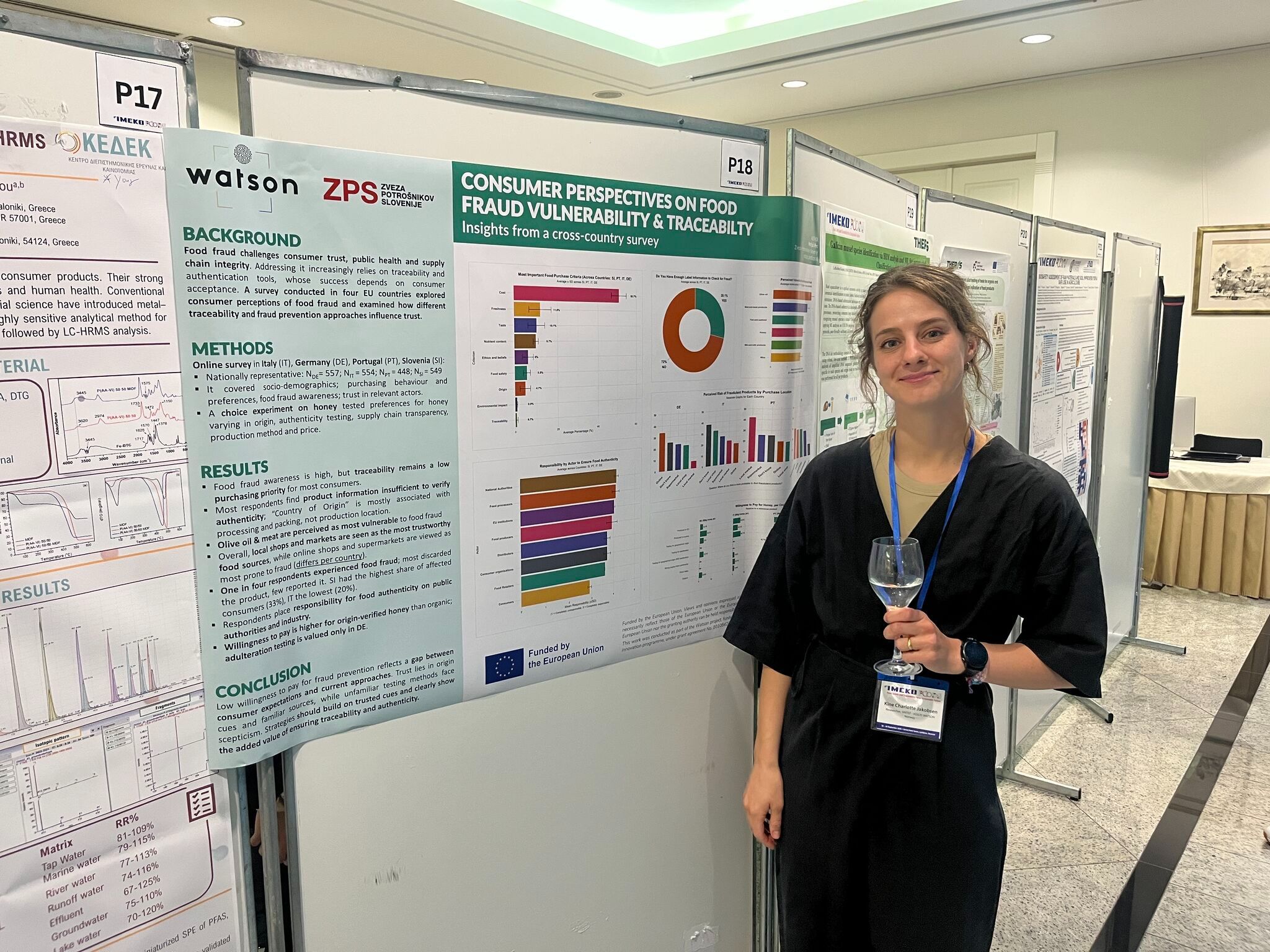

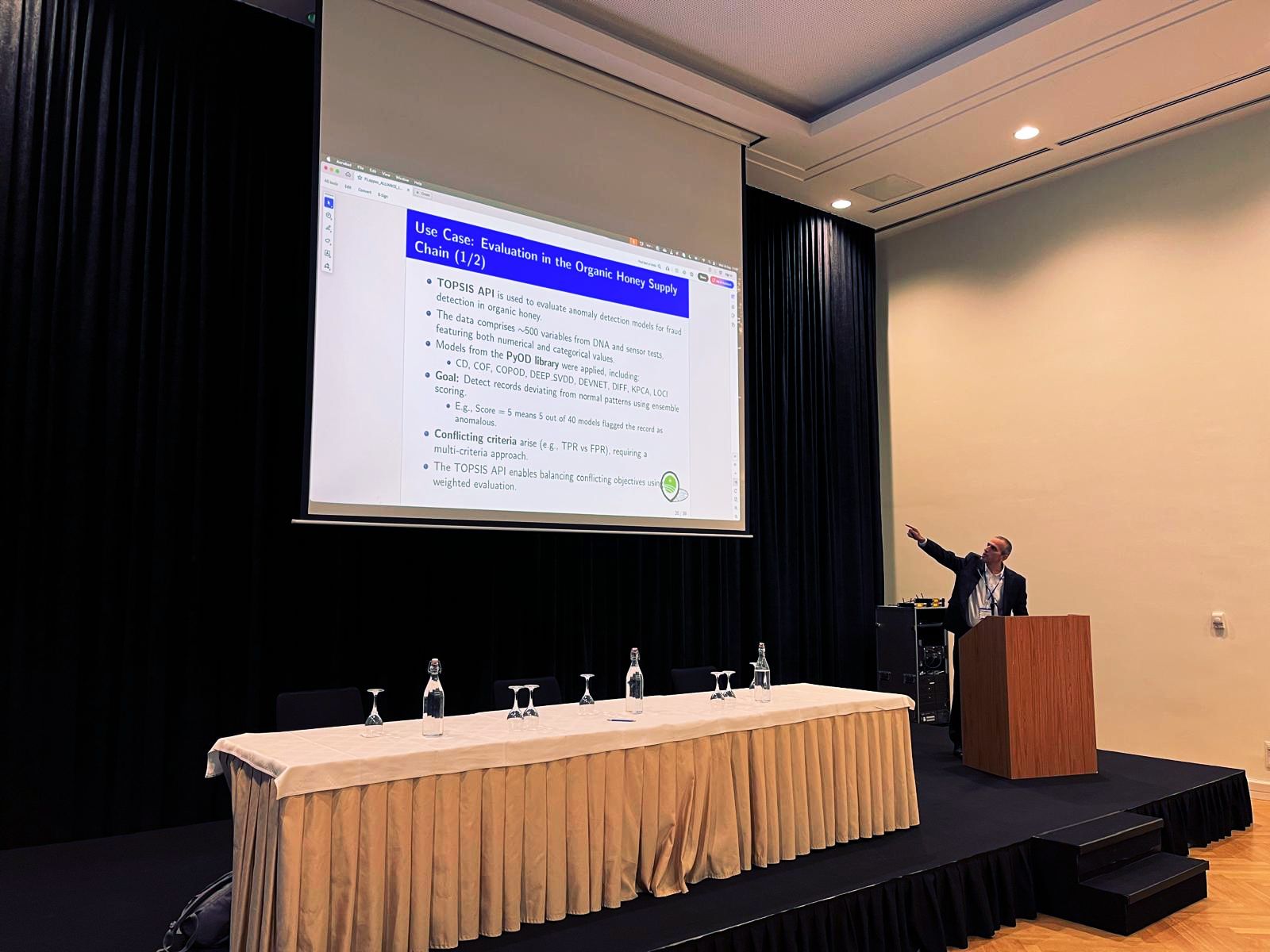
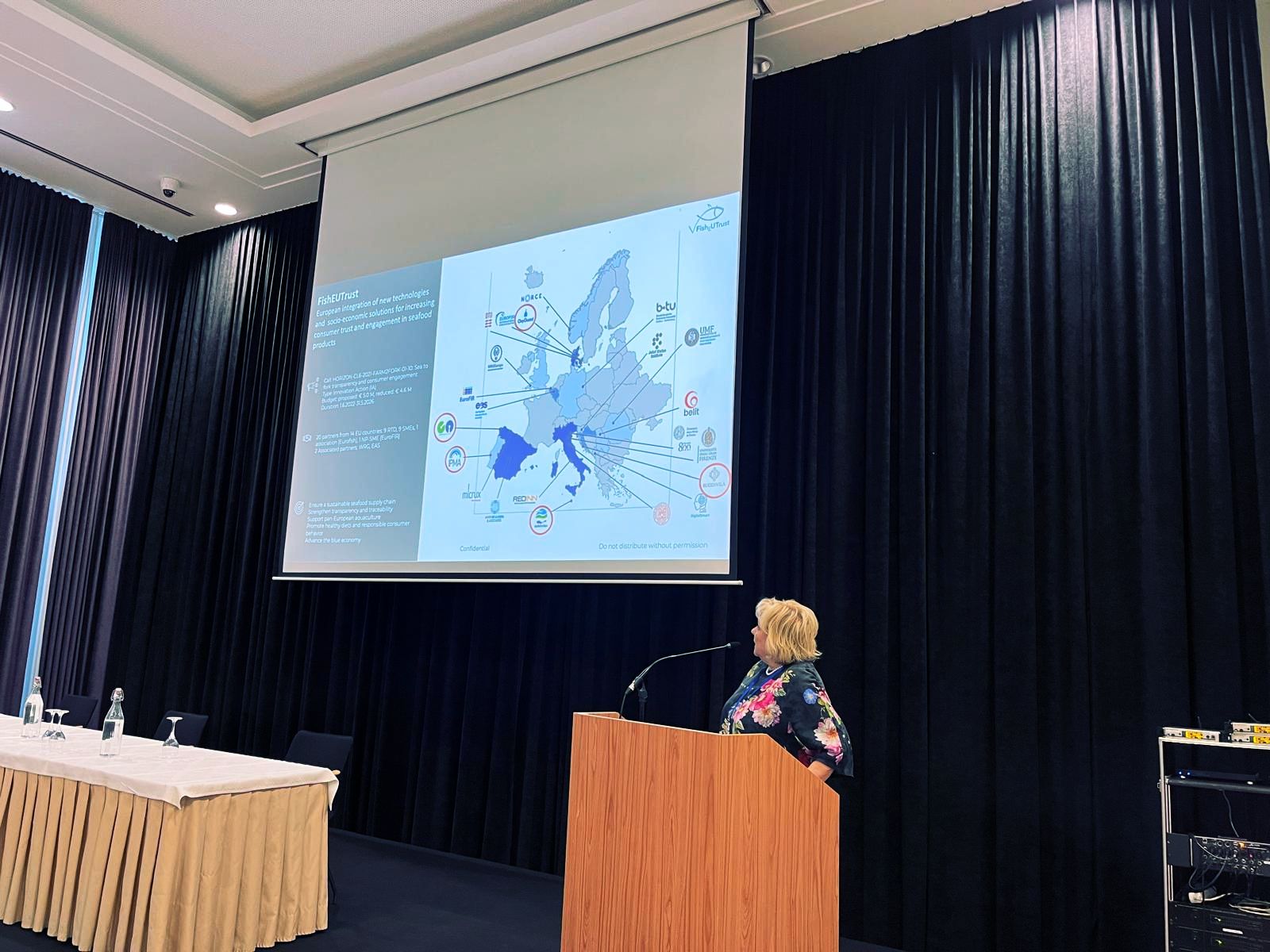
In addition, our partner Kine Charlotte Jakobsen from SINTEF Nord presented an abstract on trust in food supply chains as a socio-technical construct, co-authored with Truls Raeder, as part of their research within Watson.
Meanwhile, Watson partners from Zveza potrošnikov Slovenije (Slovene Consumers’ Association) presented a scientific poster on consumer perspectives on food fraud vulnerability and traceability.