
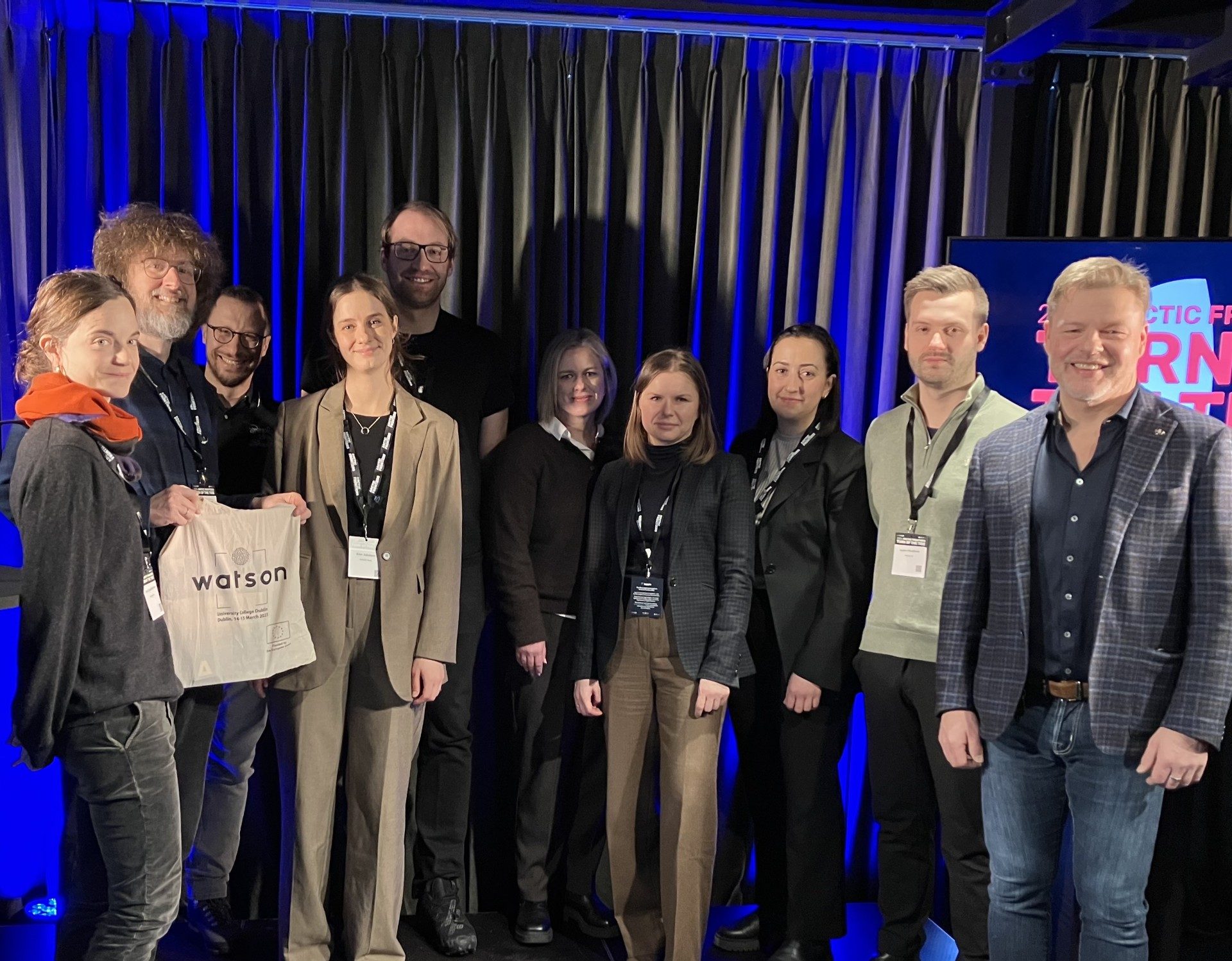
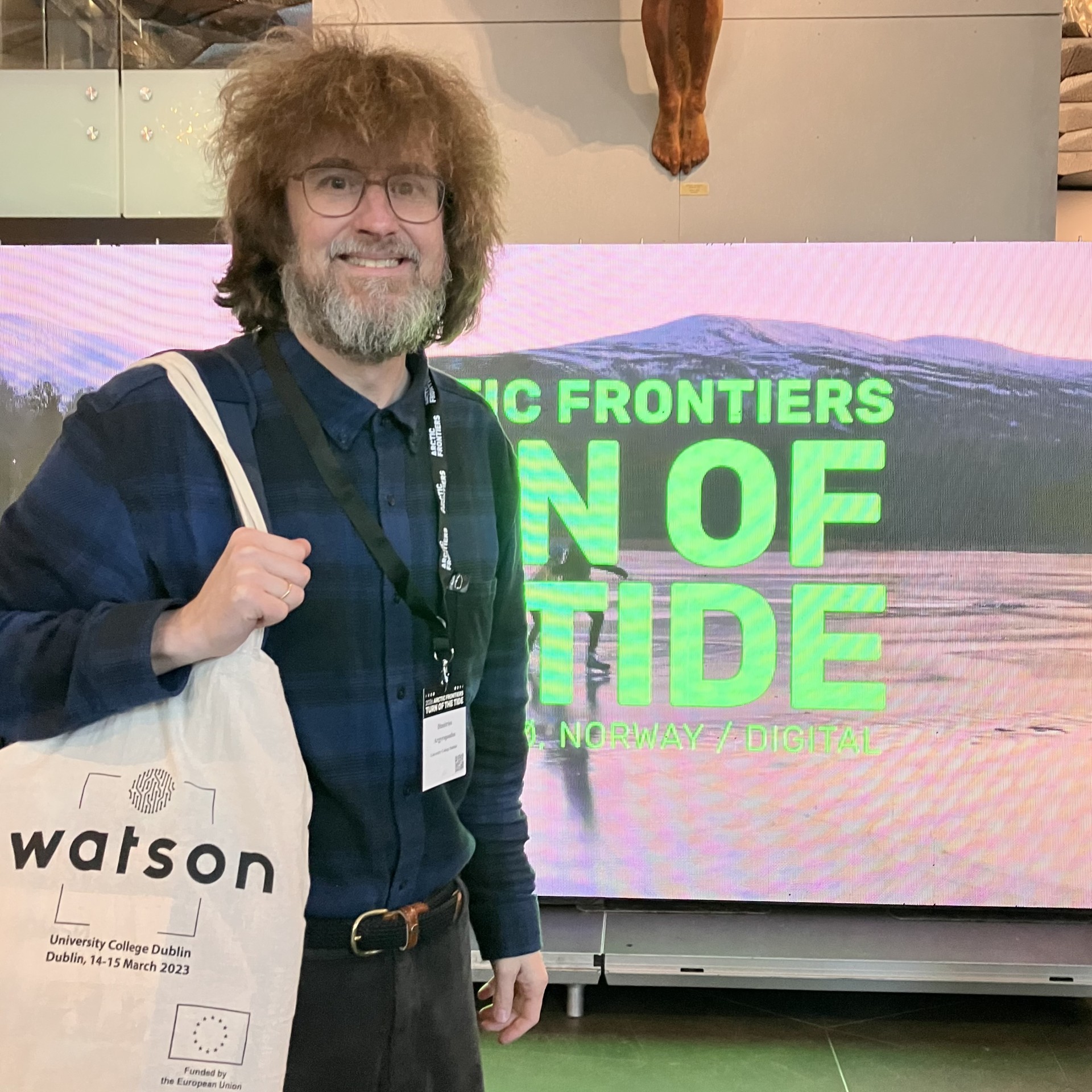
Watson actively participated in the conference Arctic Frontiers 2026 “Turn of the Tide”, one of the most important international events in the Arctic region, held in Tromsø (Norway), on 2-5 February 2026.
Arctic Frontiers provides a key platform for addressing challenges related to Arctic preparedness, sustainability and resilience.
In this context, Watson partners were proud to contribute actively to the event, sharing insights on the role of traceability in strengthening Arctic food systems.
Watson’s contribution: Traceability as a pillar of preparedness
As part of the programme, Watson contributed to a side event on 2 February, titled “Traceable Fisheries for a Prepared Arctic: Technology, Governance, and Food Security”, hosted by our partners from SINTEF Nord, and featuring key contributions from our partners Hermes AS, the Norwegian Directorate of Fisheries and Espersen, alongside other experts.
The Watson session brought together researchers, public authorities, industry representatives, and members of the fishing fleet for a timely and highly relevant discussion on fisheries traceability.
Against a backdrop of changing quota regimes, environmental variability, and increasing geopolitical tension, the discussion highlighted traceability as a critical enabler of market access, regulatory compliance and trust across seafood value chains.
Drawing on insights from the Watson project, the discussion emphasised how digital solutions that integrate catch, processing, and logistics data can support more resilient Arctic fisheries.
Such approaches enable earlier detection of irregularities, strengthen transparency, and contribute to preparedness by supporting both authorities and industry in managing disruptions and risks.
Beyond technology: Governance, incentives and trust
A key message emerging from our session was that traceability is not only a technical challenge. Contributions and discussion underlined the importance of governance frameworks, incentives and collaboration among actors across the value chain.
Topics explored included the balance between technological innovation and regulatory requirements, the role of traceability in quota management, differences between small- and large-scale fisheries and the social dimensions of data sharing.
In particular, concerns around trust, competitive advantage and data governance were highlighted as factors that must be addressed alongside digital innovation.
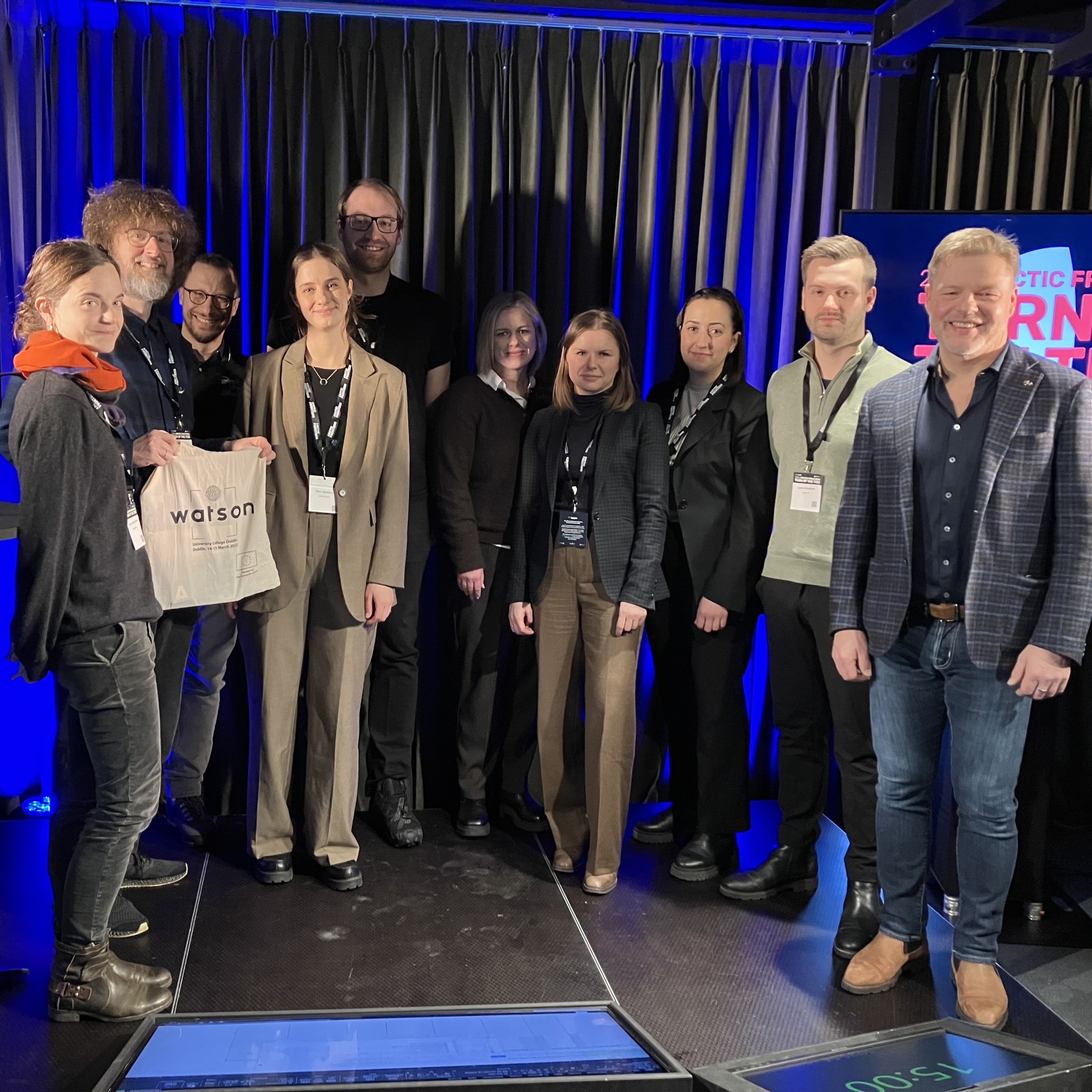
Watson’s session confirmed that fisheries traceability remains a strategic issue for Arctic preparedness.
Progress in this area depends on continued dialogue and cooperation between research, management and industry, as well as on solutions that combine technology with appropriate governance and incentives.
The high level of engagement during the discussion reflected strong interest in the topic and a clear need for further knowledge exchange and collaboration.
Watch the recording of the Watson session:
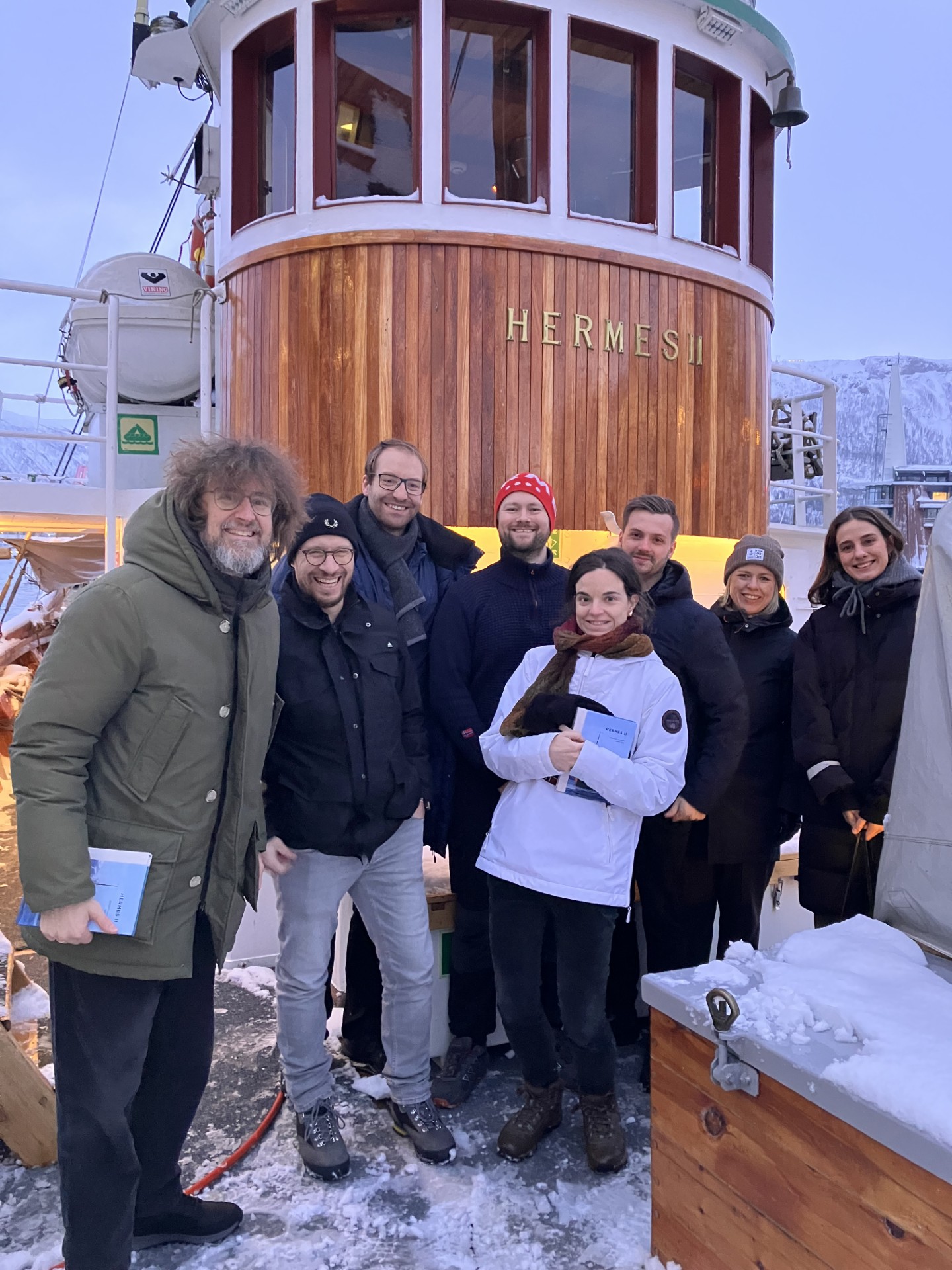
Beyond the side event, on 3 February, Watson coordinator, Prof. Dimitrios Argyropoulos (University College Dublin), met with project partners Eleni Chatzidimitriou (reframe.food), Konstantinos Perakis (UBITECH), and Truls Bakkejord Ræder and Kine Jakobsen (SINTEF Nord) for final discussions on the Watson fish pilot, focused on lessons learned, the impact of Watson’s solutions and the long-term sustainability of the project’s results.
These exchanges formed part of one of the last project meetings, marking an important step as Watson moves towards completion.